oh-my-codex Hit 3K Stars in 24 Hours. I Run an Agent Orchestrator. Here's Why This Matters.
The viral growth of oh-my-codex isn't about Codex. It's about who owns the orchestration layer. While Anthropic locks down, the community is building the real platform.
oh-my-codex went from 0 to nearly 3,000 GitHub stars in 24 hours.
That's not impressive because the tool is good (though it is). It's impressive because it proves something I already knew from running multi-agent workflows on OpenClaw every day: the real AI coding war isn't about which model writes better code. It's about who owns the orchestration layer.
The oh-my-zsh Moment
oh-my-codex is explicitly positioned as "oh-my-zsh for Codex." If you've used oh-my-zsh, you know the pattern:
- zsh alone is powerful but raw
- oh-my-zsh adds workflow, plugins, conventions, community
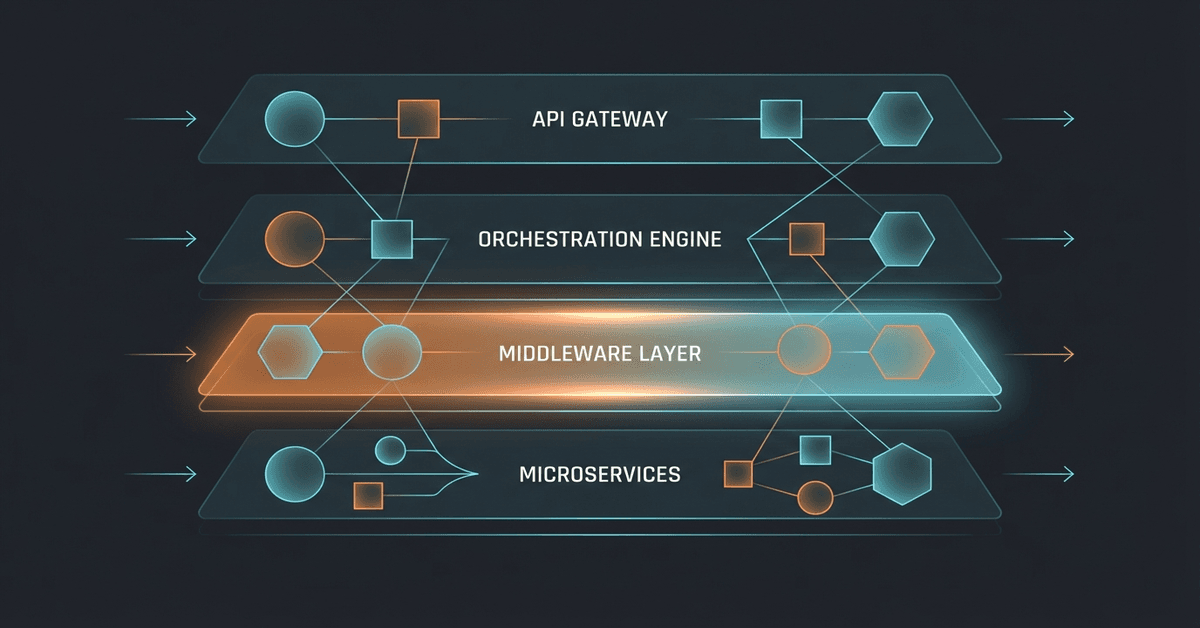
- The middleware layer becomes more valuable than the underlying tool
That's what's happening right now with AI coding agents. Codex (or Claude Code, or Gemini CLI) is the execution engine. But the orchestration layer is where the actual work happens.
oh-my-codex doesn't replace Codex. It wraps it with:
- Multi-agent workflows (
$teamfor parallel execution with git worktrees) - Structured deliberation (
$ralplanfor plan approval and tradeoff review,$deep-interviewfor scope clarification) - Durable runtime state (
.omx/directory for plans, logs, memory) - A catalog of agent roles, reusable skills, and MCP server integrations out of the box
Sound familiar? It's the same architecture pattern as OpenClaw, just Codex-specific.
The ecosystem lock-in war
Here's where it gets interesting. While oh-my-codex was going viral, two opposite things happened:
Anthropic locked down harder.
- Jan 9, 2026: Blocked all third-party OAuth access to Claude Pro/Max tokens
- March 2026: Sent legal demands to OpenCode (134K stars) over OAuth usage
- The core maintainer merged a PR removing Anthropic OAuth with commit message: "anthropic legal requests"
- Message: use our tool, our way, or don't use it at all
OpenAI opened up wider.
- March 28: Official plugin system with cross-ecosystem compatibility BY DESIGN
- March 30: Released
codex-plugin-cc, an OpenAI plugin that runs inside Claude Code - GitHub Copilot officially partnered with OpenCode for subscription sharing
- Message: we're the open platform, build whatever you want
One company is building walls. The other is building bridges. Guess which one just saw explosive community growth for a tool that extends their ecosystem?
Why I care (and why you should too)
I run my entire publishing pipeline on OpenClaw. Multiple agents, daily crons, cross-model routing. I'm not on the core team, but I've hit every wall that oh-my-codex is trying to fix:
-
Agent interpretation drift. You ask a clarifying question, the agent thinks it's criticism and changes course. OMX addresses this with structured deliberation modes. I've lost entire draft sessions to this.
-
Durable state. When an agent crashes mid-task, you lose everything. OMX's
.omx/directory persistence solves the same problem OpenClaw's session state solves. I've watched agents silently drop 40 minutes of research because the session died. -
Parallel execution without chaos. Running multiple agents on the same codebase creates merge hell. OMX uses git worktrees. OpenClaw uses sandboxed sessions. Same problem, different solutions.
-
Model-specific strengths. Claude is better at reasoning. GPT-4 is faster at code generation. Gemini handles longer context. Real orchestration means routing tasks to the right model, not picking one and hoping.
The viral growth of oh-my-codex isn't because developers love TypeScript tooling. It's because everyone building with AI coding agents hits these same walls, and the official tools aren't solving them.
The real platform is the middleware
Here's what Anthropic and OpenAI are both missing: the model is becoming a commodity. The orchestration layer is the platform.
Look at the data:
- Claude Code: $2.5B annualized revenue, tens of millions of VS Code installs
- Codex: 2M+ users as of March 2026, growing fast enough that OpenAI is positioning it as their agent platform
- Both have nearly identical architectures (MCP servers, skills, plugins, hooks)
- The differentiation isn't the model. It's the workflow.
And the workflow layer is where community middleware wins. Always has been.
- zsh → oh-my-zsh
- vim → vim-plug, pathogen, vundle
- git → hub, gh, tig, magit
The pattern repeats: the community builds the workflow layer that makes the raw tool actually usable. The raw tool vendors either embrace it (OpenAI) or fight it (Anthropic).
Anthropic is fighting it. That's why they're losing the ecosystem war even while Claude models are technically superior.
Where this goes
oh-my-codex is Codex-specific. It assumes Codex is the execution engine and builds on top of that assumption. That's a bet on OpenAI's approach to open tooling.
OpenClaw made a different bet: model-agnostic orchestration. When Anthropic blocked OAuth in January, OpenClaw users kept working because the tool doesn't depend on any single vendor's auth flow. When DeepSeek released R1, community support landed fast because the architecture was designed for it.
Both bets assume the orchestration layer is more valuable than the model.
The question isn't "which AI coding agent is best?" anymore. It's "which orchestration layer do you want to commit to?"
- If you trust OpenAI's open ecosystem strategy: oh-my-codex gives you Codex + community workflows
- If you trust Anthropic's vertical integration: use Claude Code, stay in their walled garden
- If you trust neither: build on model-agnostic middleware like OpenClaw
The middleware layer is the real platform. The viral growth proves the community knows it.
The uncomfortable part
I'm writing this post the same week Anthropic sent legal threats to OpenCode. The same week OpenAI released a plugin specifically designed to run Codex inside Claude Code.
The uncomfortable question: what happens when the vendor that built the execution engine decides to take back the orchestration layer?
oh-my-zsh survived because zsh never tried to own the workflow layer. Can oh-my-codex survive if OpenAI decides to build official team modes, RALPLAN-style deliberation, or durable state?
Can tools like OpenClaw survive if every major model vendor locks down API access like Anthropic locked down OAuth?
I don't know. But I know this: the middleware layer only remains valuable if it stays independent.
The moment oh-my-codex becomes "officially endorsed by OpenAI," it stops being community infrastructure and becomes vendor tooling.
The viral growth is a signal. The community wants orchestration that's theirs, not the vendor's.
Whether the vendors let that happen is the real question.
What I'd actually do
If you're building with AI coding agents right now:
-
Don't pick a tool. Pick an orchestration strategy. Are you betting on vendor lock-in (Claude Code), open ecosystem (Codex + OMX), or model-agnostic middleware (OpenClaw)?
-
Assume the orchestration layer will matter more than the model within 12 months. The differentiation is already shifting from "which model writes better code" to "which workflow prevents the model from running in circles."
-
Watch how vendors respond to community middleware. OpenAI embracing OpenCode and releasing cross-ecosystem plugins is a signal. Anthropic sending legal threats is a signal. Those signals tell you their long-term strategy.
-
Build durable state into your workflow, whatever tool you use. The biggest failure mode I see: developers lose hours of agent work because the session crashed. Whether it's OMX's
.omx/directory, OpenClaw's session persistence, or your own solution, make state durable.
The oh-my-codex explosion isn't about Codex. It's about the community claiming ownership of the orchestration layer. That's the real platform.
And the vendors who fight that are going to lose.
Get new posts in your inbox
Architecture, performance, security. No spam.
Keep reading
The AI coding subsidy era ended today
GitHub Copilot switched to token billing. Claude Code splits programmatic usage in two weeks. Developers are furious. I think the old prices were the problem, not the new ones.
I Compared Three AI Memory Systems. They Can't Even Agree on What Memory Means.
SimpleMem compresses conversations into atoms. MemPalace stores every word in a spatial hierarchy. Engram forgets on purpose. After a week with all three, I think they're solving different problems.
I Closed the AI Agent Loop. They Stopped Making the Same Mistakes.
My AI agent applied seven patches to the same bug. Each one a fresh attempt. No accumulation. After connecting dispatch with memory, the same class of bug gets caught on the first try.